
The March Edit: What’s Blooming Now
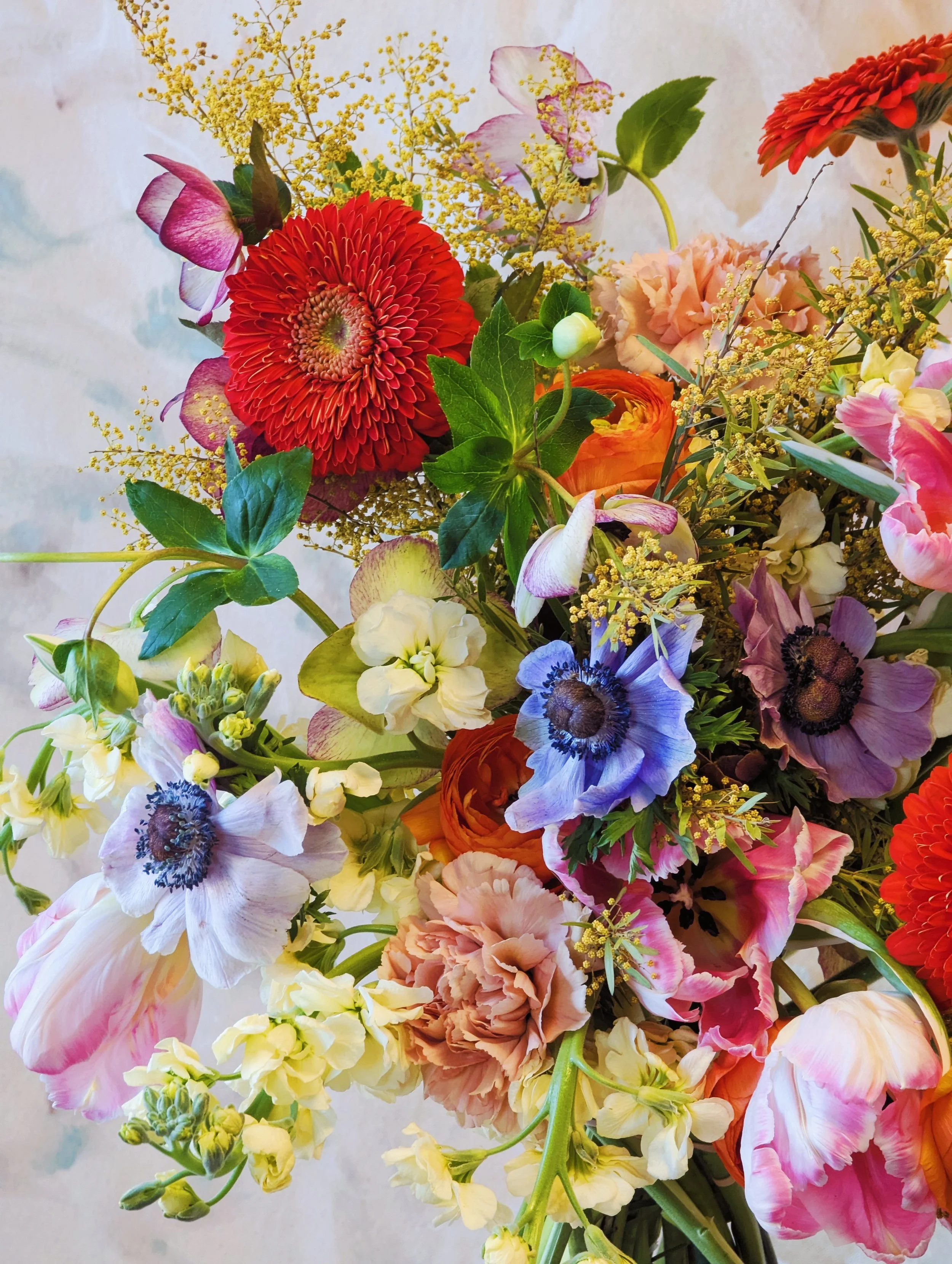
Wish you could smell it!
Spring… is that you?
Phew. We’ve had one heck of a winter. It’s hard to imagine anything growing out of the ground ever again after all of that snow. But, things are happening beneath our feet, and by the last few weeks of march, we will be basking in the sun, amidst birdsong, daffodils and budding trees.
ahhhh. Deep breath.
March 1 is the start of metorological spring, and that’s enough for us. The flowers tell us the rest.
While we still continue to have Lots cuties like Anemone, fritillaria meleagris, hellebore and more blooms we’ve enjoyed over the winter, much more spring is on its way.
Read on to revel in march’s march towards spring.
Tulips
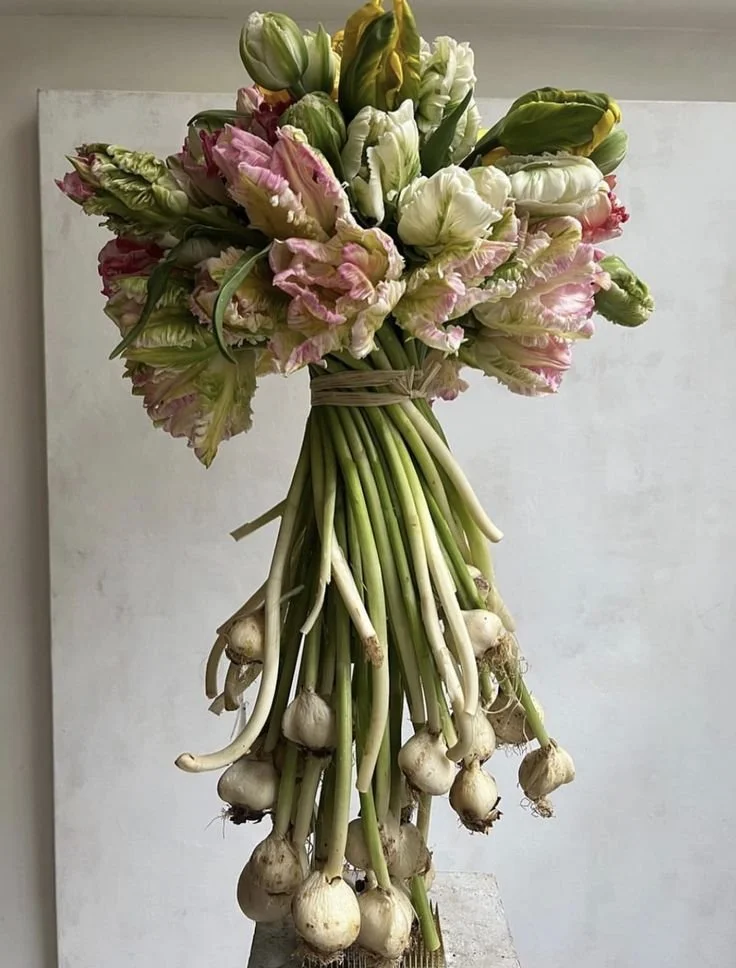

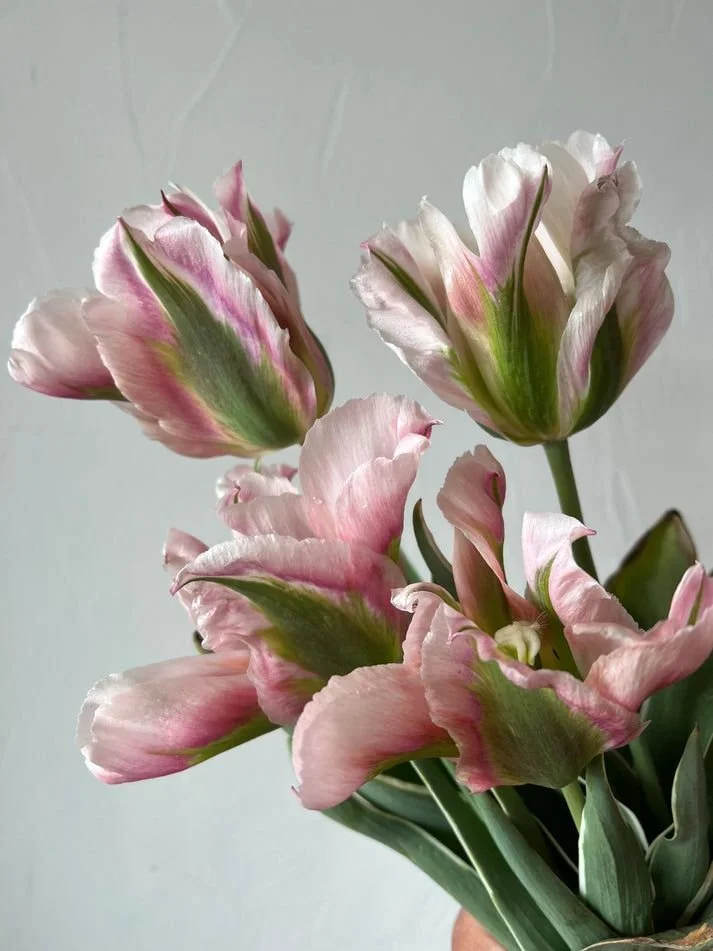
Photos: @unreliable.narrators on Instagram, Moda Operandi, The Flower Hat, Scientific name: Tulipa
Family: Liliaceae
Genus: Tulipa
Kingdom: Plantae
Order: Liliales
Tulips, we tend to talk about a lot this time of year! We’re lucky to have such a long season with them — extended by both international growers in holland and the brave local farmers who plant bulbs in crates in greenhouses and unheated garages and baby them along through the darkest months of the year. We have local tulips popping up and gaining speed! Local tulips will fully take over our offerings before the end of next month.
Snowdrops
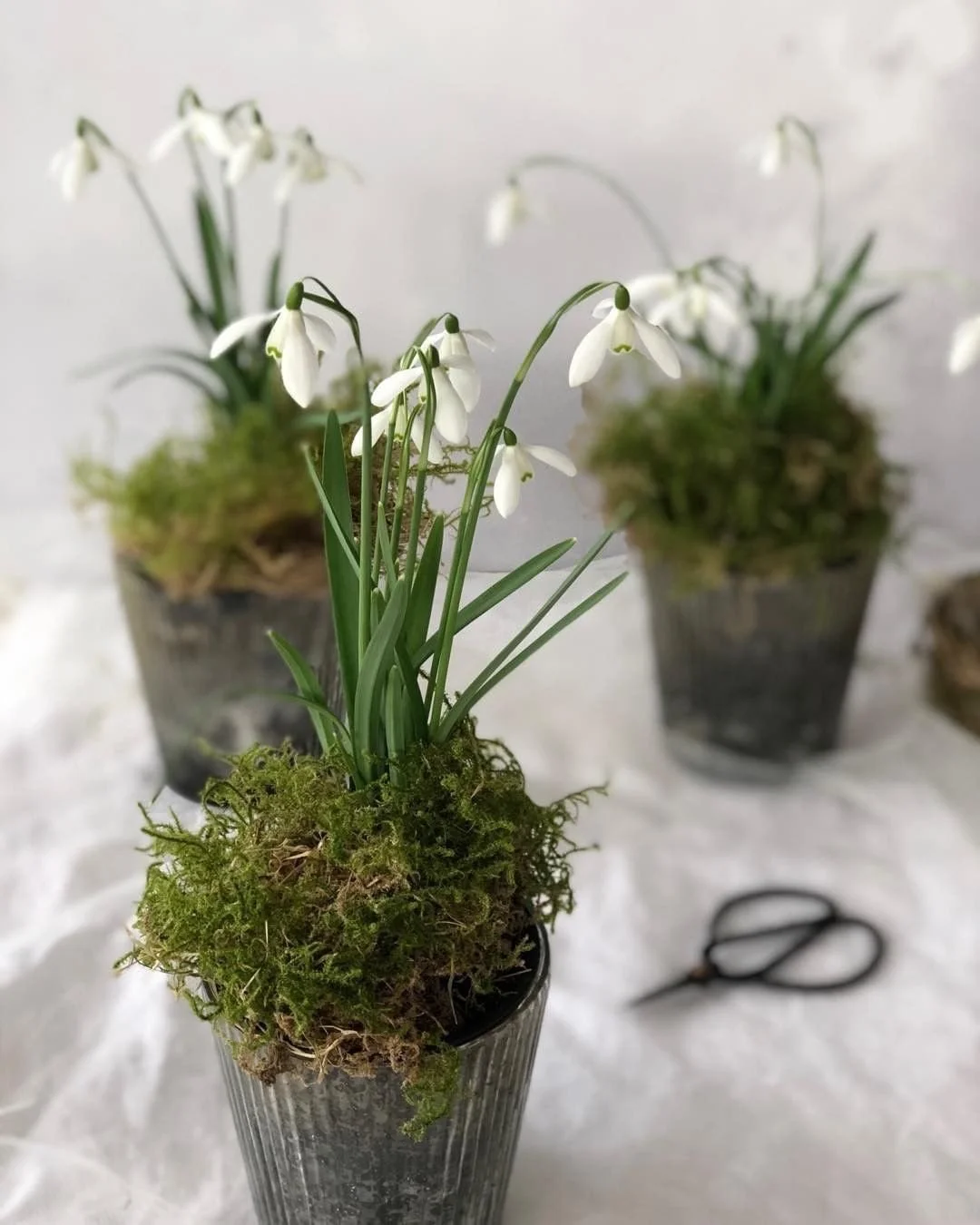
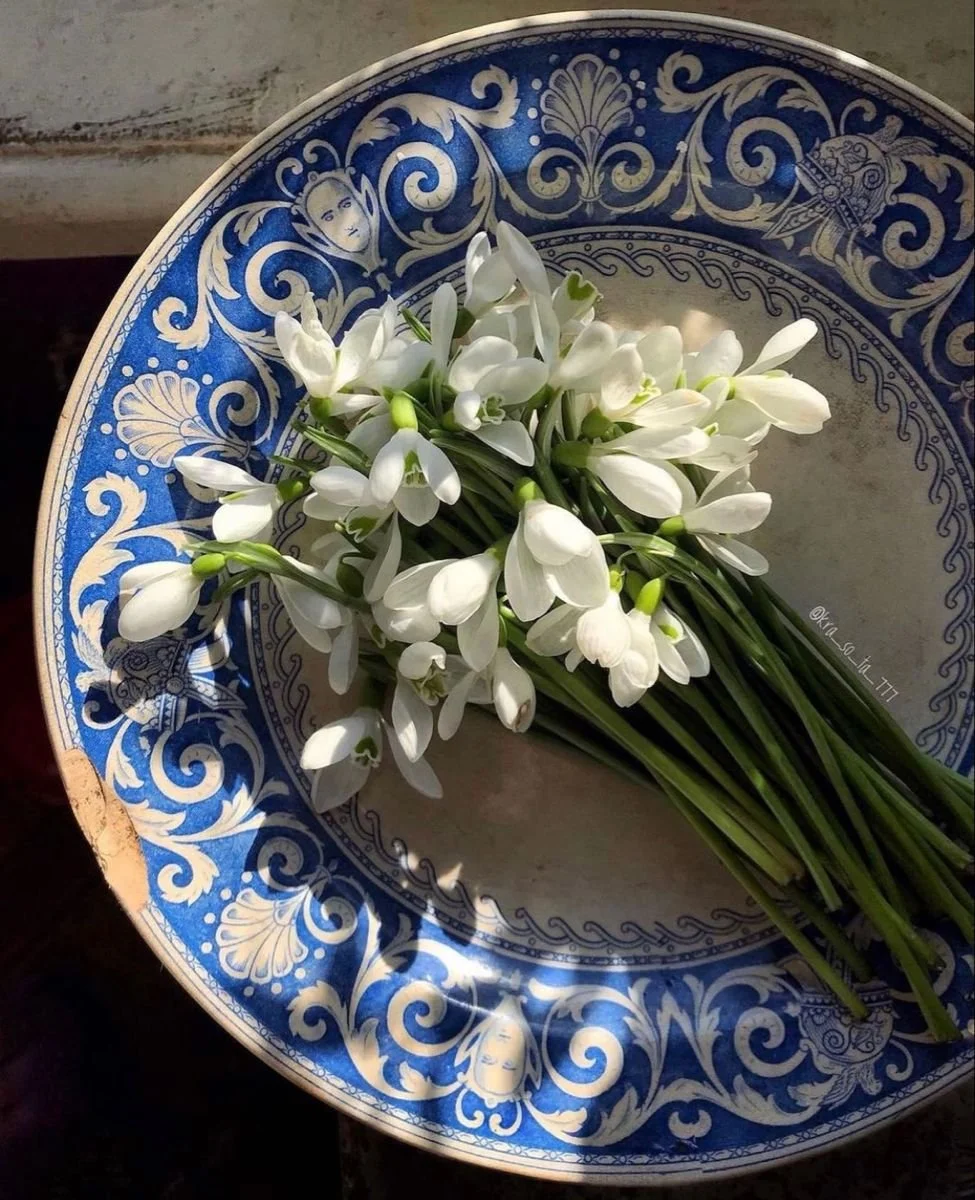
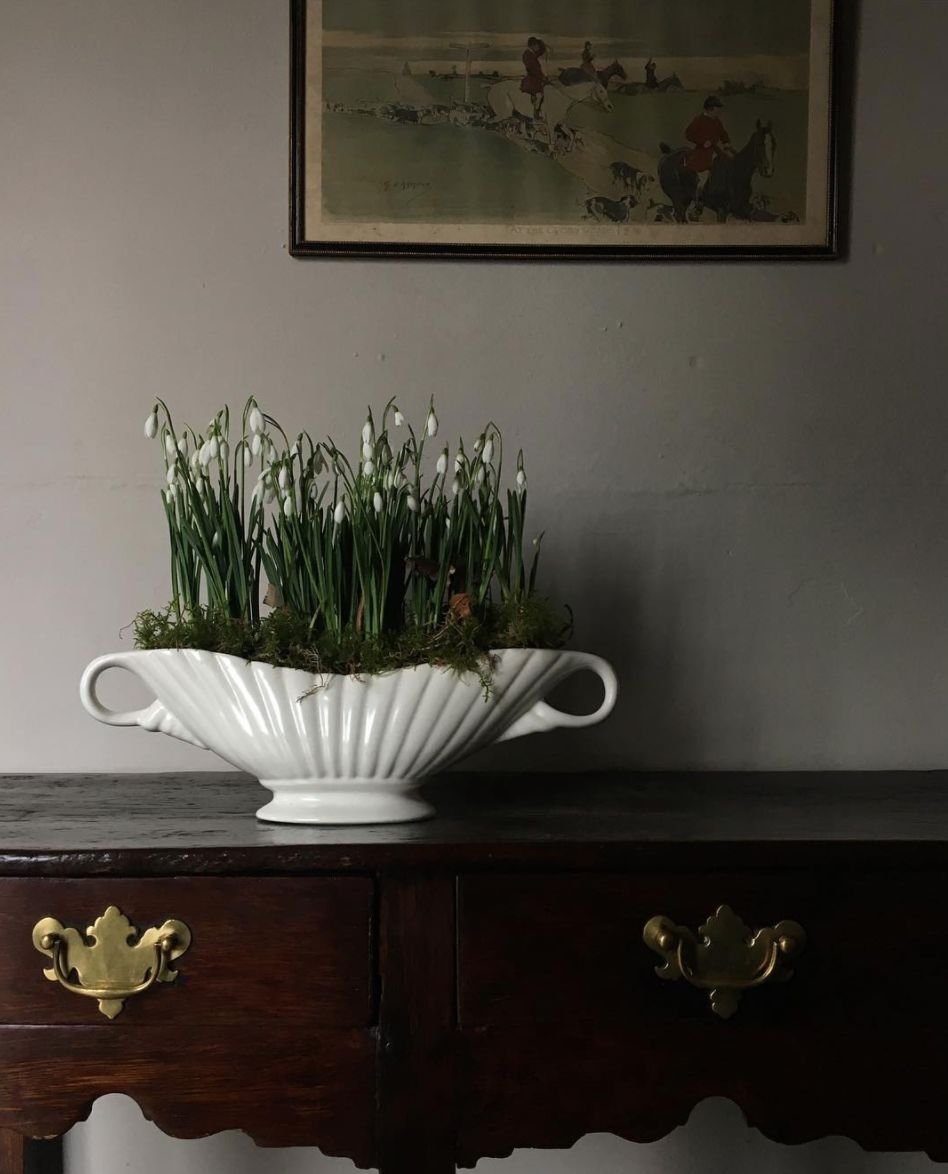
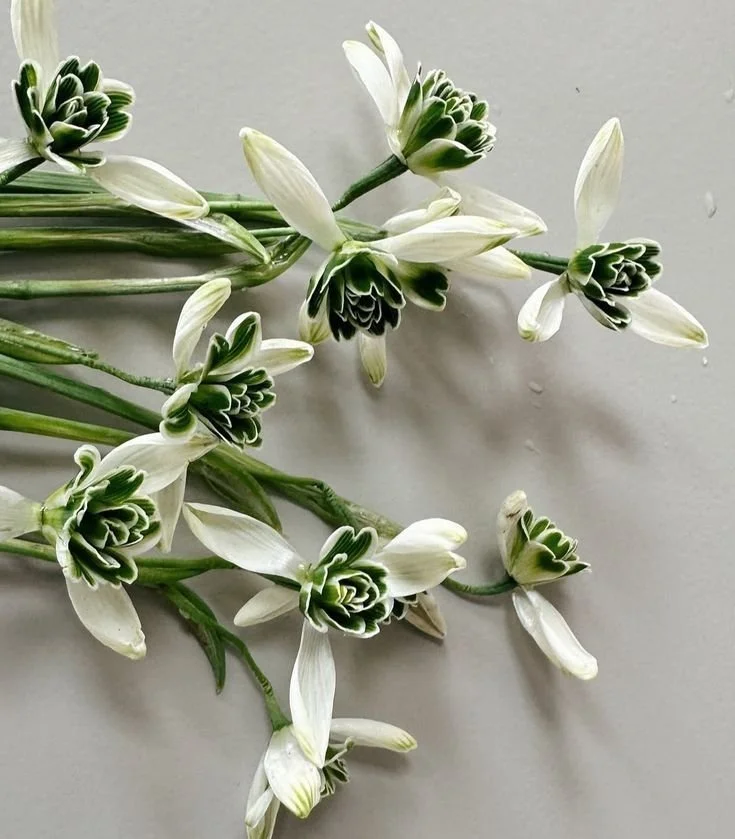
Photos: Lorraine on Pinterest, Frederikke on Pinterest, Lauren Starkey on Pinterest, BMe on PinterestScientific name: Galanthus
Family: Amaryllidaceae
Genus: Galanthus
Kingdom: Plantae
Order: Asparagales
Snowdrops hold a deep meaning. They symbolize new beginnings, rebirth, and triumph. As the first flowers to signal the arrival of spring, oftentimes blooming through snow, they're not just a sign of the changing seasons but also a beacon of positivity.
There are actually many varieties of galanthus, often with very subtle differences. They have become a garden collector’s favorite bulb.
Daffodils
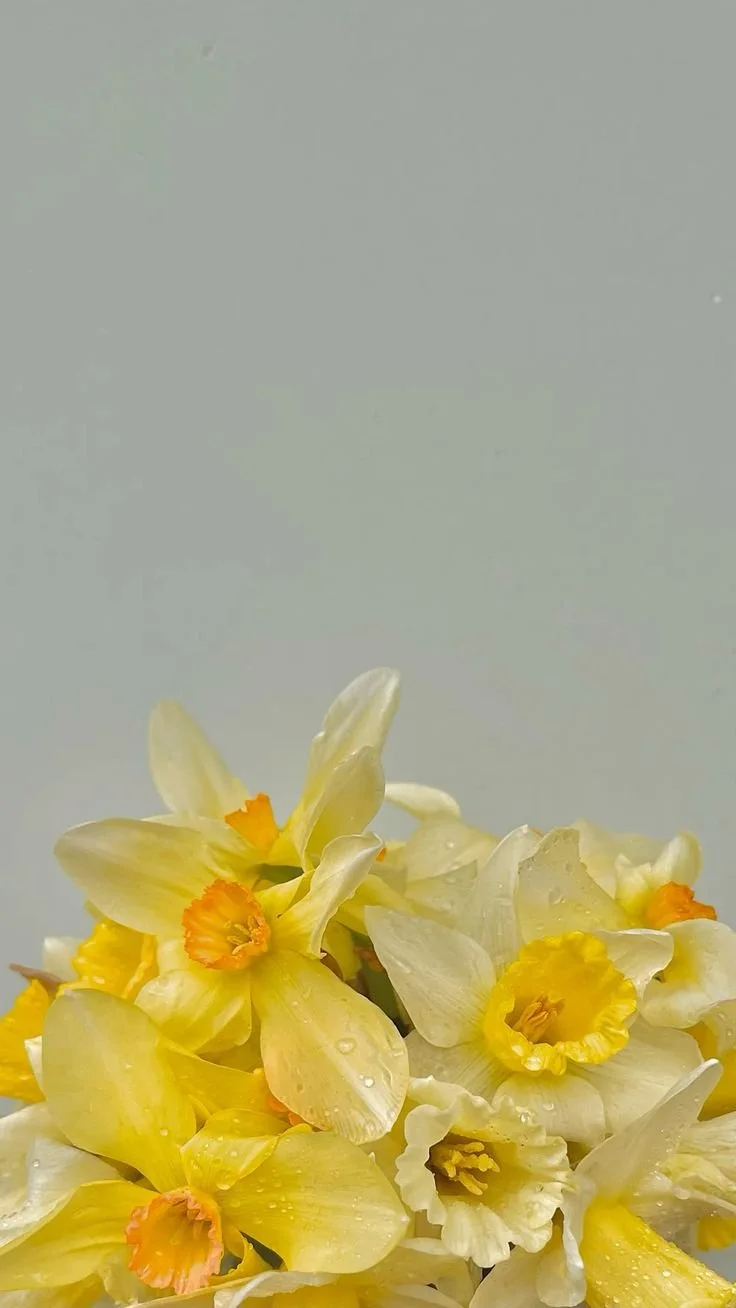
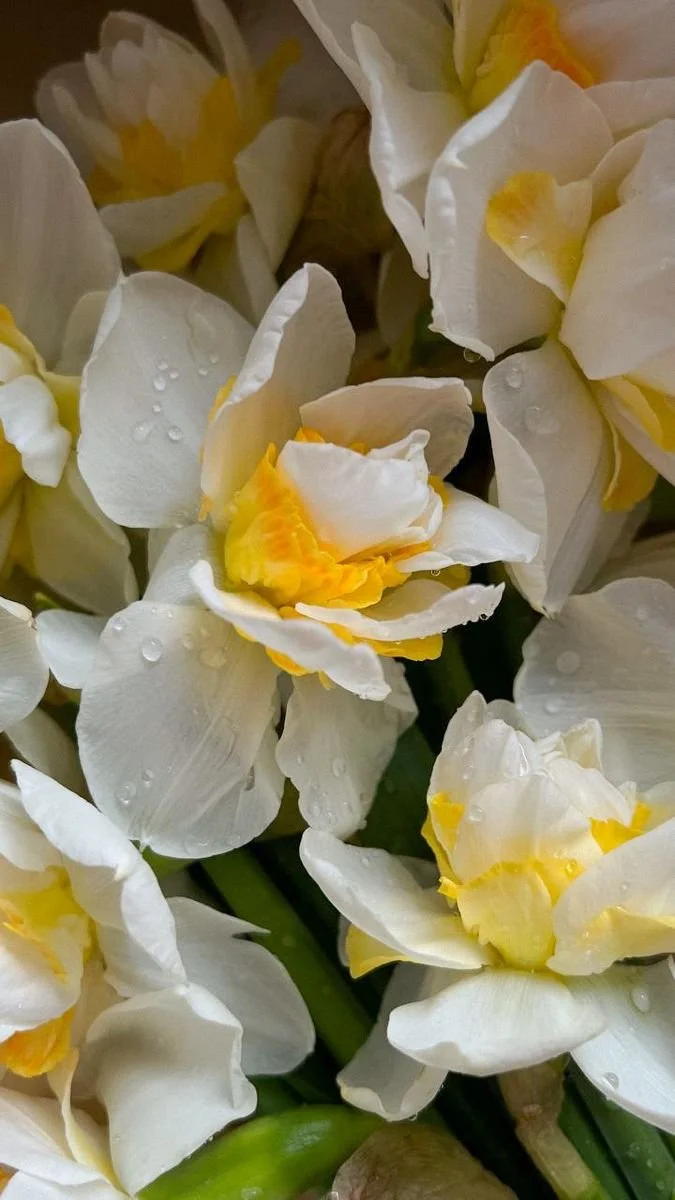
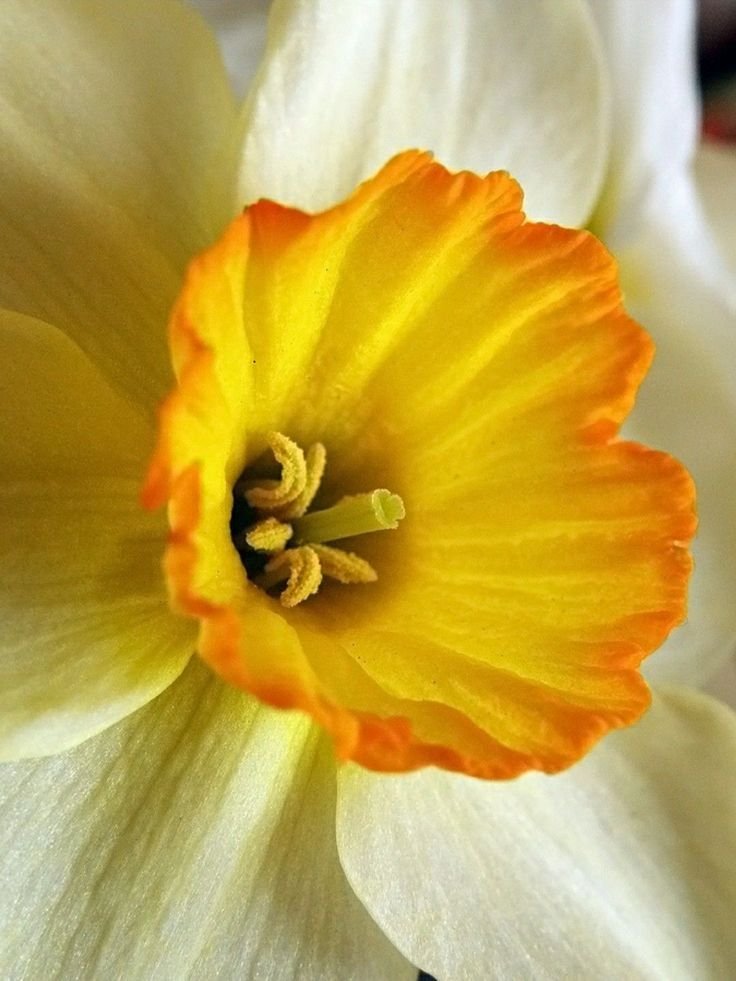
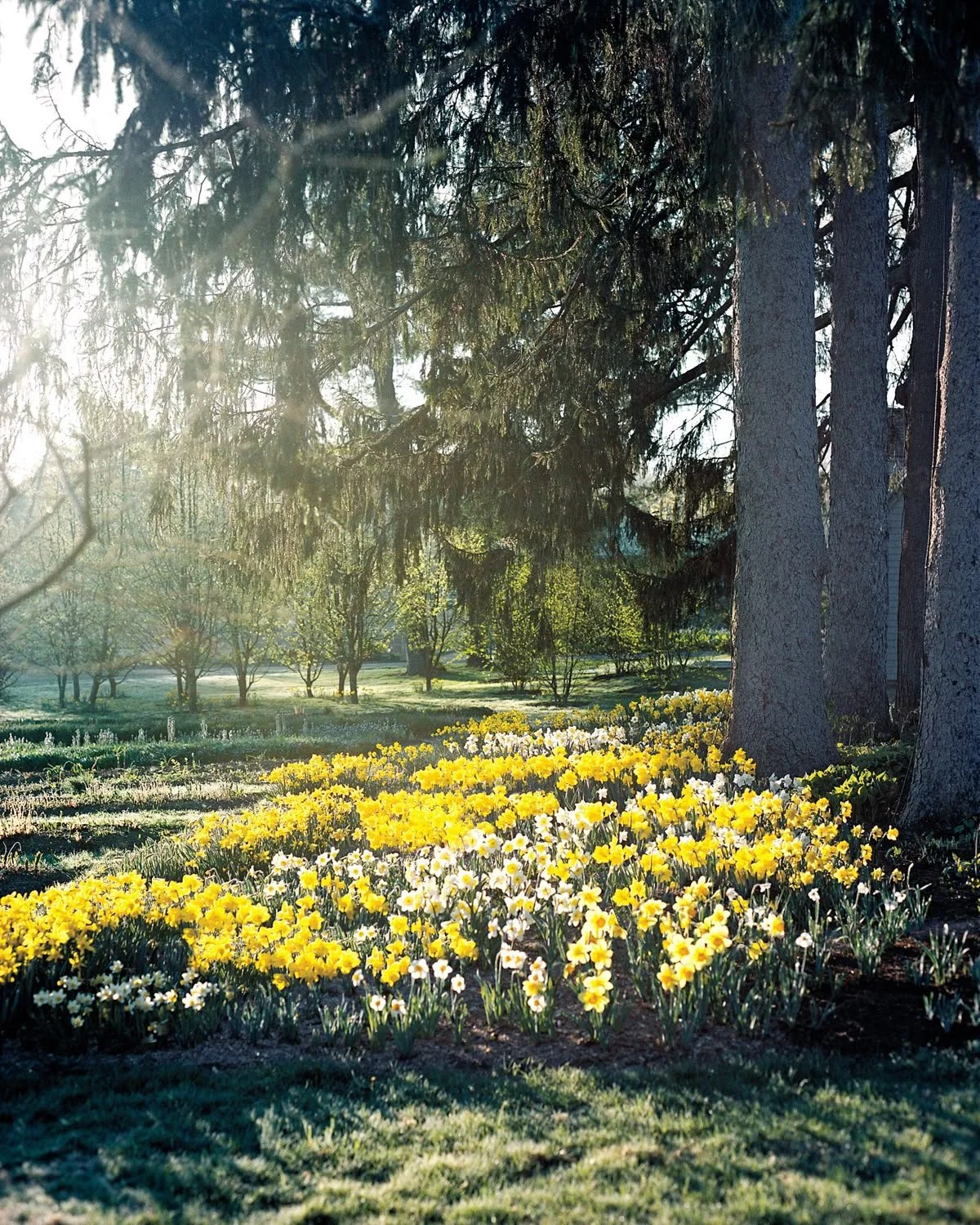
Photos: Asya on Pinterest, @katienotes on Instagram, Kelly Milagres on Pinterest, Martha StewartScientific name: Narcissus
Family: Amaryllidaceae
Genus: Narcissus
Kingdom: Plantae
Order: Asparagales
We talked about our favorite sunny blooms, daffodils, last month, but we would be remiss to not include them for March — as they’re March’s official month flower! Daffodil’s trumpets are the herald of spring, a vibrant and welcome sight after months of unsaturated winter stillness.
Narcissus are among the few blooms capable of surviving deep freezing temperatures due to special antifreeze proteins in their cells. They also have a sugary sap in their stems that allows them to fight the freeze. This sap does not play well with other flowers in an arrangement, though! So, fresh cut daffs from the garden should be separated from other blooms for a few hours before being arranged with other blooms.
Crocus
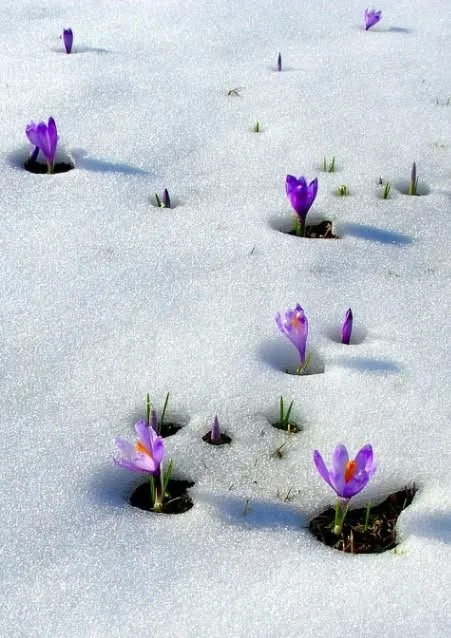
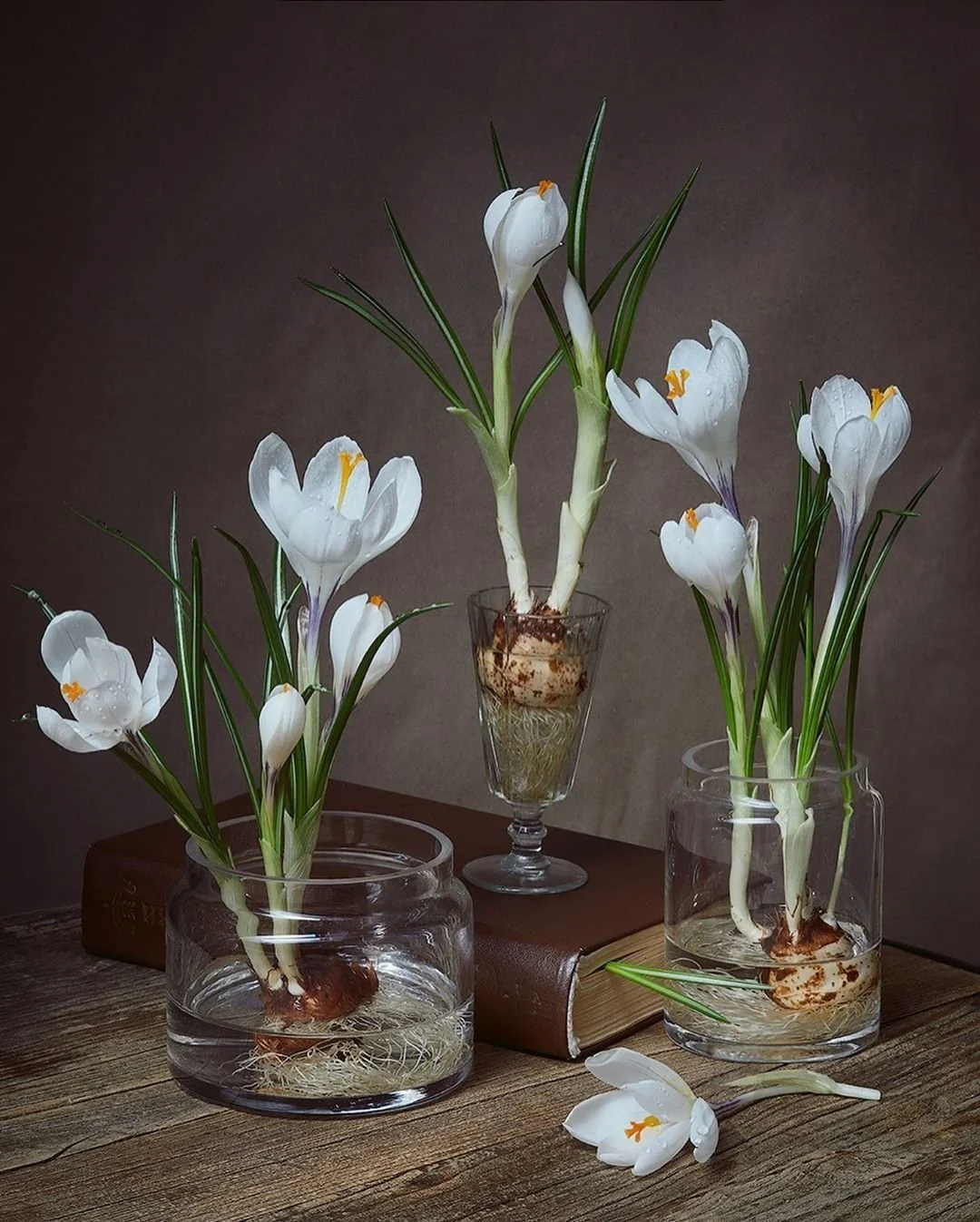
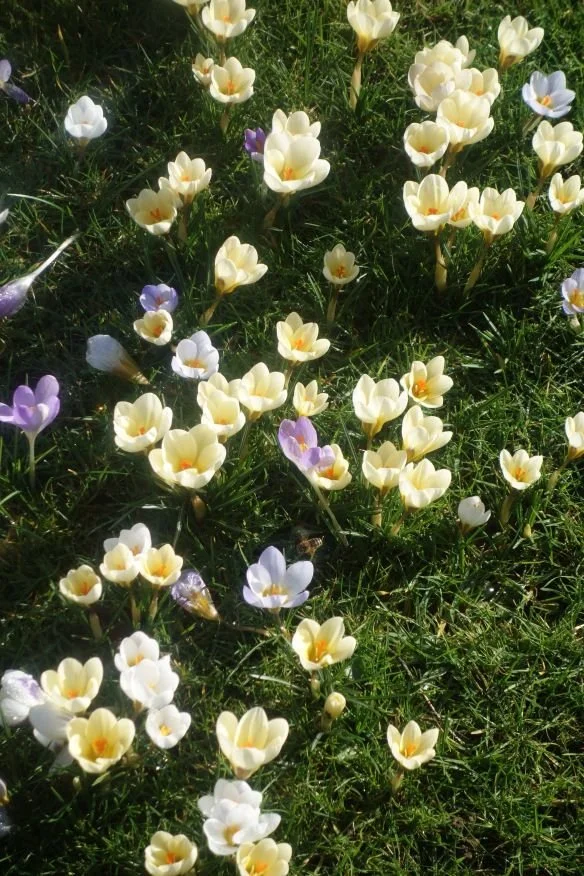
Photos: Ірина Шараневич on Pinterest, Sjannie on Pinterest, Wordpress, Crocus are another early early bloomer, with most of their stems staying below the surface of the earth. Crocus have been cultivated for many years (over 3500, by some accounts!) and are coveted in gardens and spice racks alike — the stamens of crocus sativius give us saffron!
Ancient Greeks and Romans admired the Crocus flower for its beauty and soft fragrance, using it in perfumes and medicinal concoctions regularly. Greek mythology also tells of Crocus, a mortal who fell in love with the nymph Smilax. Their love met a tragic end, when the gods transformed him into the golden-petaled crocus flower.
Scientific name: Crocus
Family: Iridaceae
Genus: Crocus
Kingdom: Plantae
Order: Asparagales
Hyacinth & Muscari
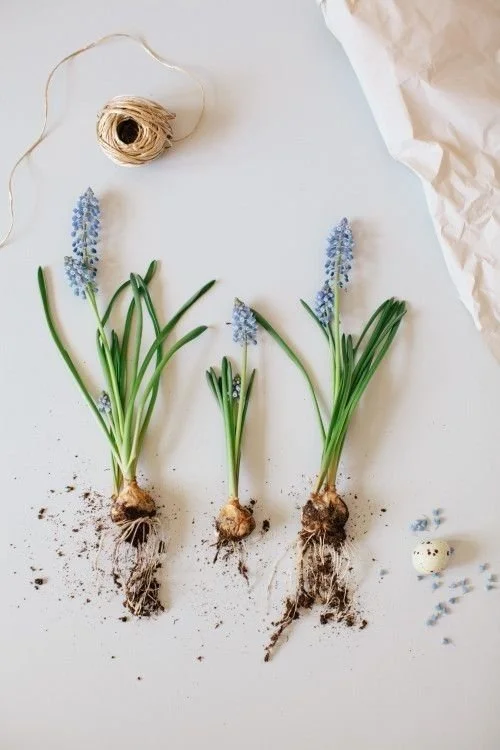
Photos: Lia Galieva on Pinterest, Anoot on Pinterest, Willemijn's BrocanteHoekje on Pinterest, Scientific name: Hyacinthus
Family: Asparagaceae
Genus: Hyacinthus
Kingdom: Plantae
Order: Asparagales
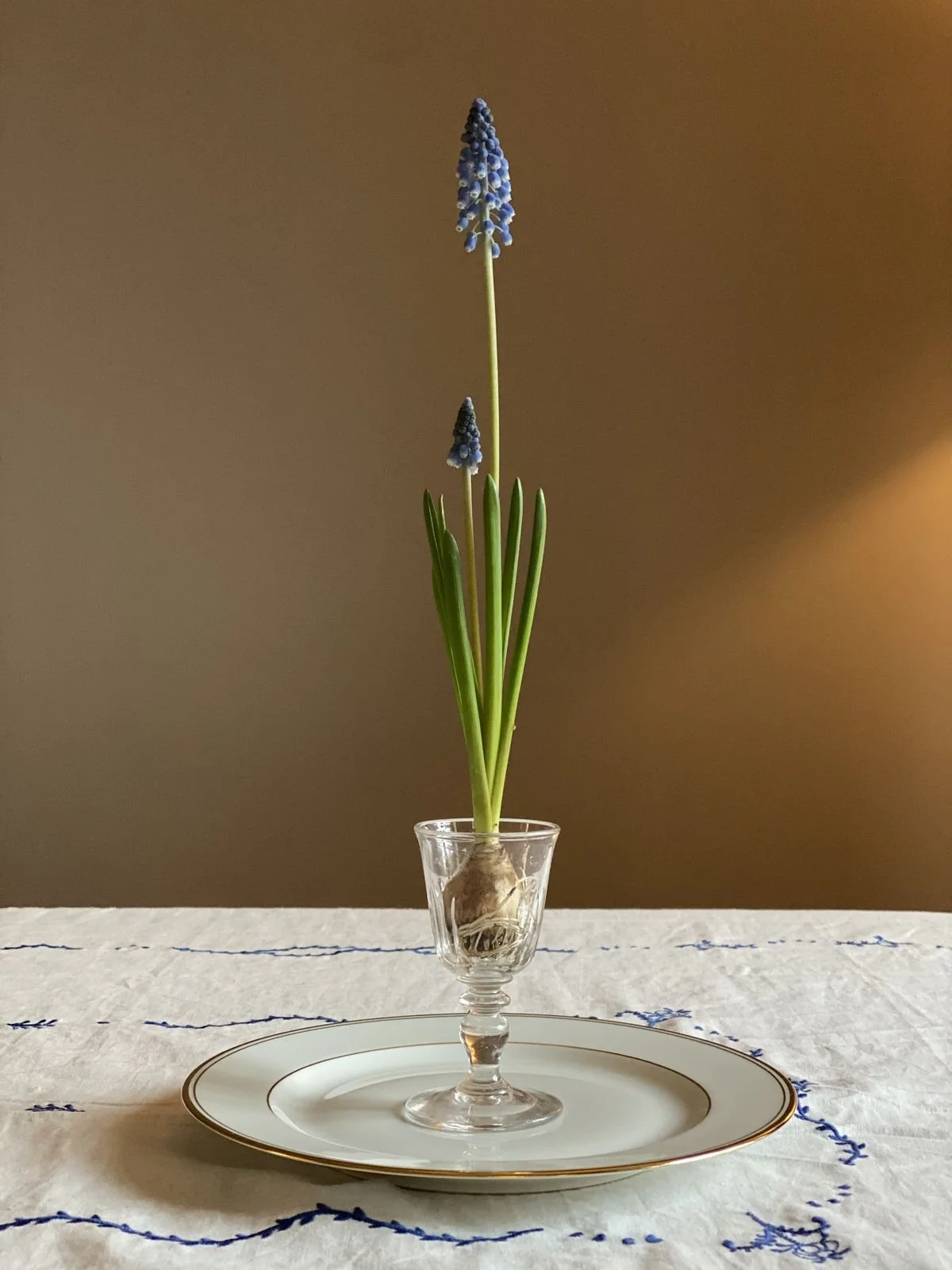
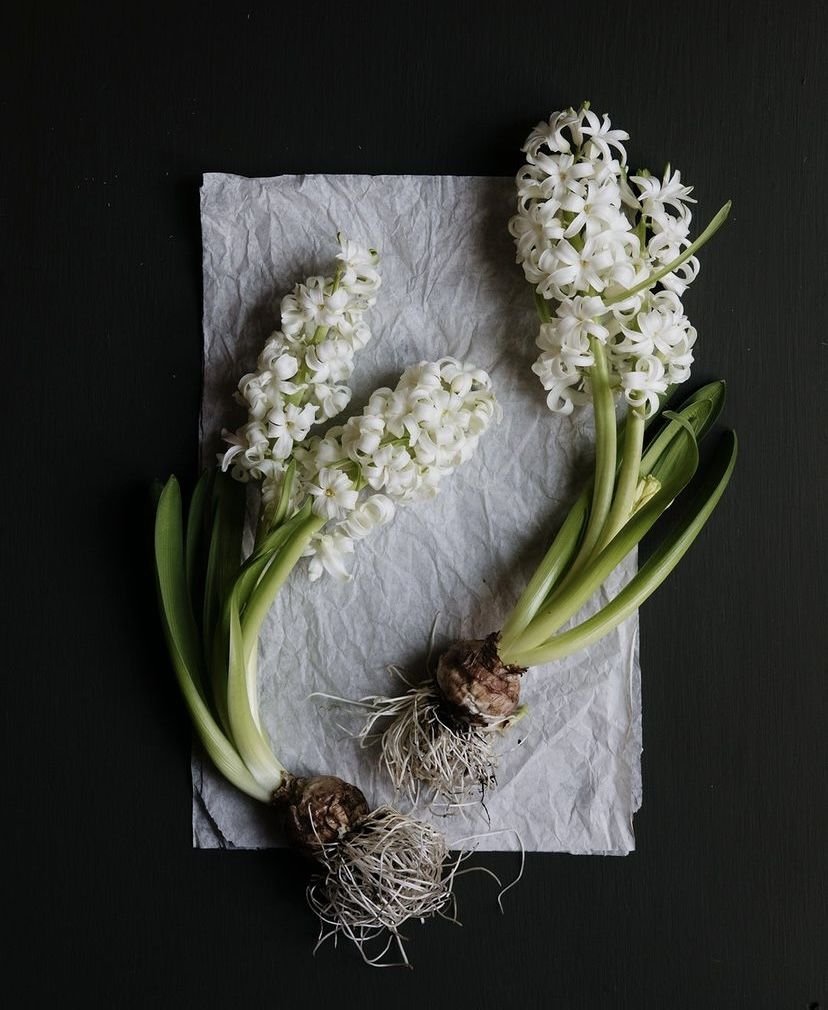
Spring flowers bring some of the most notable fragrances of the year, and hyacinth is a sweet smelling star. Muscari aka Grape Hyacinth is actually not a hyacinth at all, but a completely different plant. Both grow from bulbs, and come in shades of blues, whites & pinks. Their shapes are similar, but muscari is a very petite twinkle of a flower, while Hyacinth is more robust and acts as a beautiful textural element in designs.
We love ‘em both!
Sweet Pea
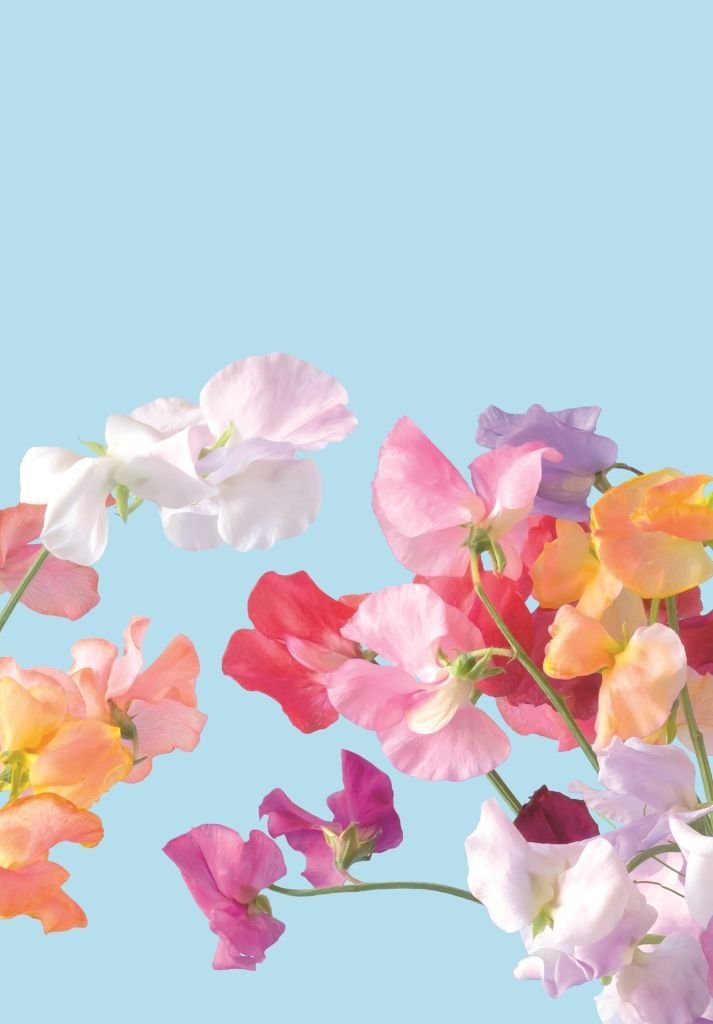
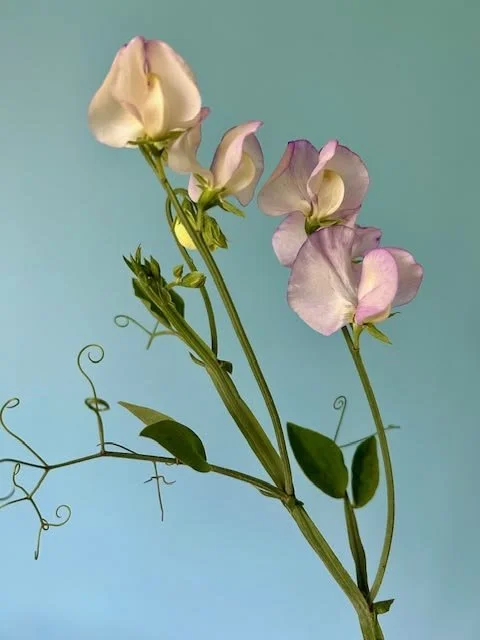
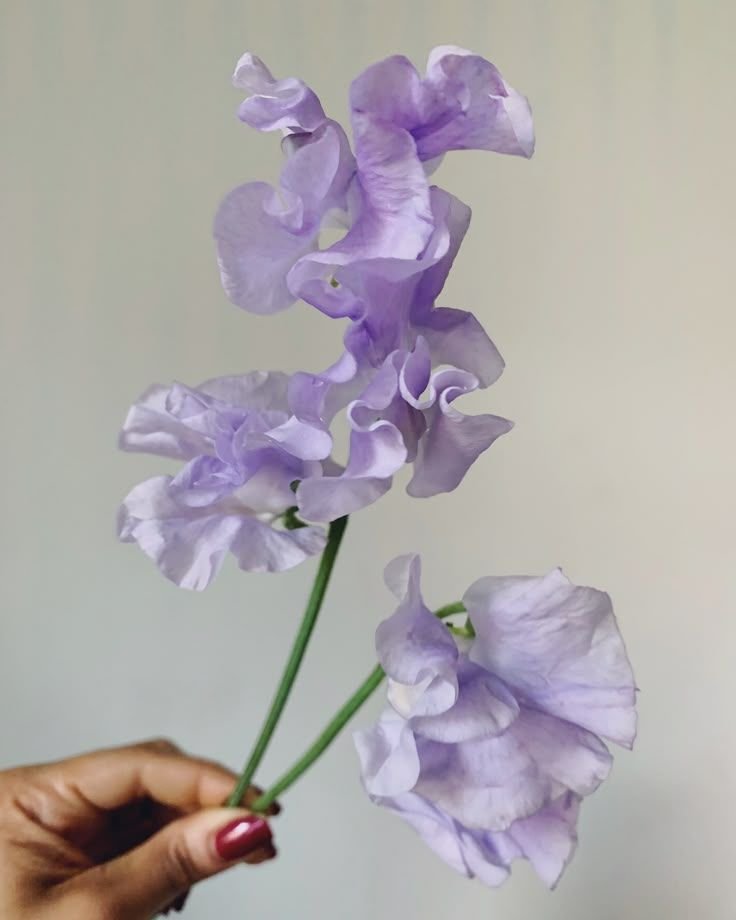
Photos: Fragonard Parfumeur, Lost Farm Company, White House FlowersScientific name: Lathyrus odoratus
Family: Fabaceae
Genus: Lathyrus
Kingdom: Plantae
Order: Fabales
Some of the dantiest fairies out there, Sweet Peas are pure magic. They smell like sweet lemon chiffon cake and dance through arrangements with ease and grace. This time of year, skilled growers in Holland and Japan supply our sweet pea addiction. These farms have been specializing in sweet peas for generations, and the care and dedication shows. It is always an experience to unwrap a bunch of sweet pea flown across the world to us — so carefully packed and exploding with fragrance. One of our springy faves!
Local sweet pea don’t make their appearance until nearly June, so we relish in the early chance to sniff these twirly girlies when we get ‘em.
We might not be fully out of the woods yet, as March has its wily ways with the weather, but the flowers have declared “It’s Spring!”, and I’m listening.
This post wraps up our Year in flowers monthly series of what’s blooming. We started last April, so you can visit each month’s post to see what we’ve got our little flowery paws on! The flowers remind us of what season it is :)
We’re diving into another topic next month: Real Weddings! — musings on weddings from years past, discussed each month. We’ll get into the design & production process: the choices, changes and challenges along the way.
—
Flora Good Times